Polyethylene
Properties:
- Density: 0.95 g/cm³
- Melting Point: 135 °C
- Elongation at Break: approximately 30%
- Abrasion Resistance: Very high
- UV Resistance: High
- Water Absorption: Very low
Application:
- Fishing industry
- Mooring lines for commercial shipping
- Dock moorings
Visit our webshop, ropestore.com:
Buy at ropestore.com(opens in a new tab)Contact us with an inquiry
Contact usLaid rope, Animal keeping, Industry & Infrastructure, Commercial shipping, Outdoor Activities
Description
Polyethylene rope has high elasticity and excellent abrasion resistance. The ropes are also very smooth, which gives them low friction. Here is a complete description of the rope:
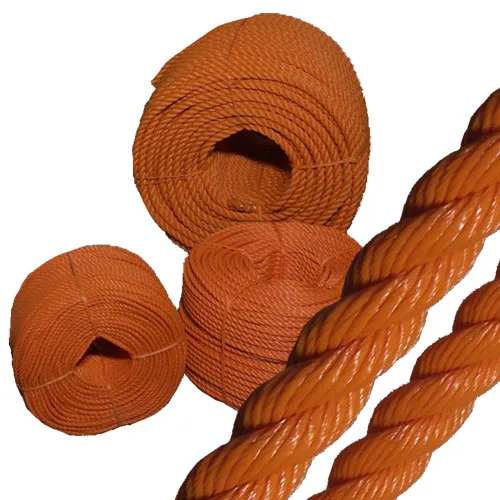
Material and properties: Polyethylene rope is made of 100% polyethylene monofilament fiber. The ropes have a smooth and even surface that makes them easy to handle. Polyethylene rope also has excellent UV resistance, making it suitable for outdoor use. Its color is typically orange, making it visible and easy to identify.
- Elasticity: One of the most characteristic features of Polyethylene rope is its elasticity. The ropes stretch quite a lot even under relatively low loads, which can be useful in many different types of applications.
- Floats in water: The fiber also floats, which is particularly useful in certain applications, including in the fishing industry where it’s important to see and manage the rope above the water surface.
- Elongation at break: Polyethylene rope has an elongation at break of approximately 30%. This means the rope can stretch quite far before breaking. This stretchiness can be useful for absorbing shock loads and providing flexibility in various applications.
Application: Polyethylene rope is particularly suitable in the fishing industry, where it can be used for mooring fishing nets or in other fishing-related applications. Its ability to float makes it ideal for use above the water surface. More examples of applications include:
- Winter moorings: Both recreational and commercial vessels use polyethylene ropes for winter mooring because the ropes do not absorb water and the fiber remains flexible even in sub-zero temperatures. Many other fibers become stiff and freeze, making them difficult to tie and moor with, but mooring lines made of polyethylene work well even in winter.
- Dock moorings: The elasticity and strength of polyethylene make it suitable for mooring docks and pontoons.
Advantages: Polyethylene is a type of rope with high elasticity and utility in fishing-related areas and other applications where UV resistance and flexibility are important factors.
Specification
| Diameter [mm] | MBL [kp] | Weight [g/m] |
|---|---|---|
| 6 | 400 | 15 |
| 8 | 700 | 28 |
| 10 | 1090 | 42 |
| 12 | 1550 | 62 |
| 14 | 2100 | 90 |
| 16 | 2800 | 115 |
| 18 | 3500 | 148 |
MBL: minimum breaking load. Stated breaking loads apply to new rope.